
【プレゼンテーション⑫:戦略セッションスポーツを通じたリジェネラティブな社会構築と国際スポーツ大会評価指標の策定】
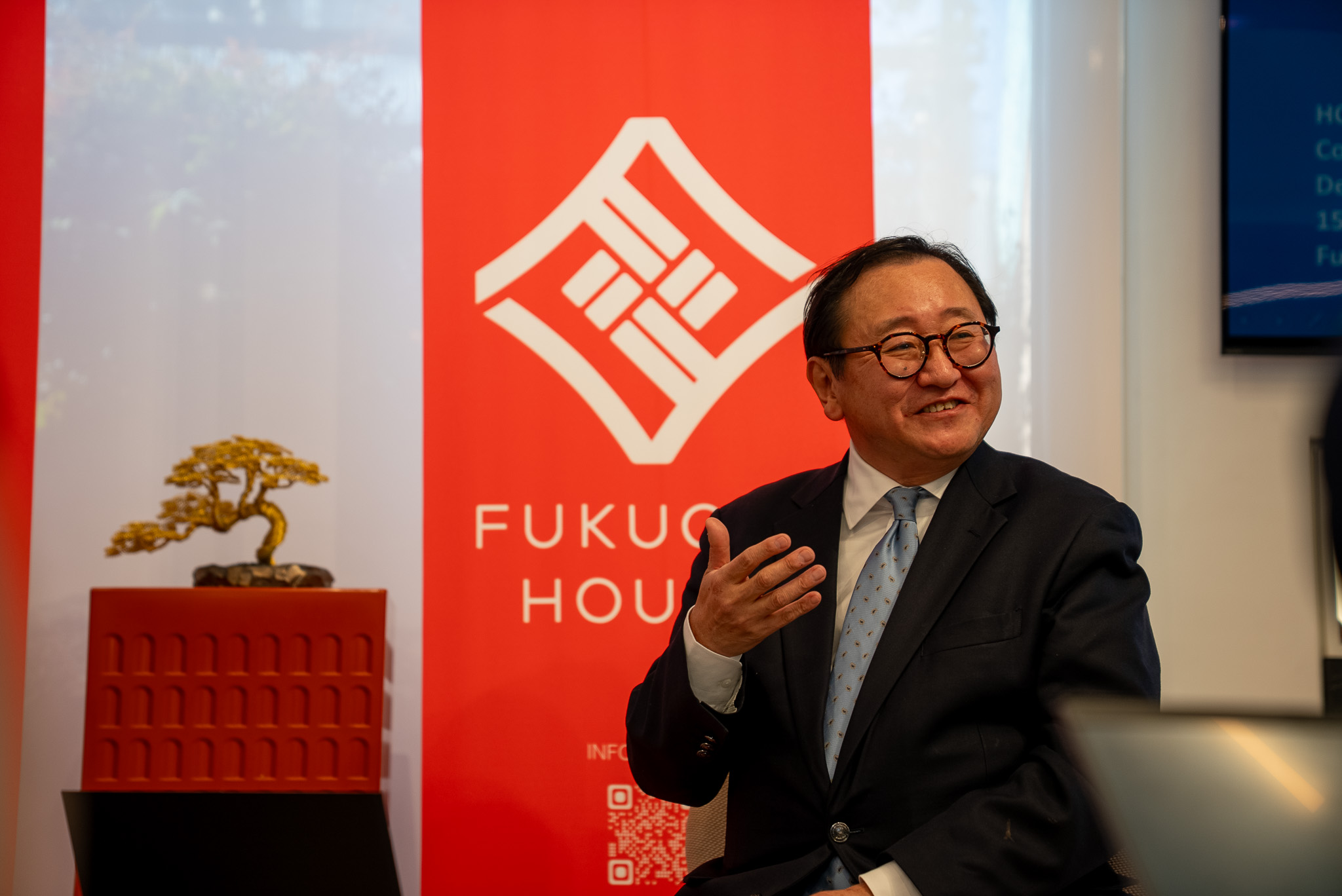
スピーカー: 星野 俊也 氏(国連システム合同監査団 監査官 / 大阪大学ESGインテグレーション研究教育センター 共同代表)
谷岡 弘邦 氏(大阪大学大学院 国際公共政等研究科 招聘准教授※モデレーター)
【Meeting Session⑫:Building a “Regenerative” Society Through Sports and Developing Evaluation Indices for International Sporting Events】
Speakers:
•Mr. Toshiya Hoshino (Inspector, Joint Inspection Unit of the United Nations System / Co-Director, ESG Integration Research and Education Center, Osaka University)
•Mr. Hirokuni Tanioka (Guest Associate Professor, Osaka School of International Public Policy, Osaka University *Moderator)
【1】価値観の転換:「サステナビリティ」から「リジェネラティブ」へ
星野氏は、これからの社会に求められるのは単なる維持(サステナビリティ)ではなく、再生(リジェネラティブ)であると強調しました。
・サステナビリティ(ネット・ゼロ): 負の影響を最小限に抑え現状を維持しようとする考え方です。
・リジェネラティブ(再生・ネット・ポジティブ):社会や地球環境をより良い状態に回復・向上させる考え方です。スポーツ観戦で日本人が賞賛されている「来た時より美しく」という行動もネットポジティブの一例と言えます。
スポーツが持つ「自己ベストの更新」や「限界への挑戦」という本質は、現状維持を超えて未来をより良くしようとするリジェネラティブな思想と深く共鳴します。
1. Conceptual Shift: From “Sustainability” to “Regenerative”
Mr. Hoshino emphasized that future society requires more than just maintenance (Sustainability); it requires Regeneration.
Sustainability (Net-Zero): A mindset focused on minimizing negative impacts to maintain the status quo.
Regenerative (Net-Positive): A mindset focused on restoring and improving society and the global environment. A prime example is the praised behavior of Japanese fans cleaning stadiums—leaving a place “more beautiful than you found it.”
The essence of sports—pushing boundaries and pursuing “personal bests”—resonates deeply with the regenerative philosophy of going beyond the status quo to create a better future.
【2】国際社会におけるスポーツの公的な役割
国連においてもスポーツは今や、単なる娯楽ではなく、国際的な課題解決の「重要なツール」として認められています。
・国連「未来サミット(2024年)」の決定: 「未来のための約束(Pact for the Future)」において、スポーツは持続可能な開発に不可欠な要素として公式に位置づけられました。
・「第3の国連」の活用: 政府間の交渉だけでなく、ビジネスリーダー、ユース、科学者が集まり新しいルールを作る場としての国連を活用し、日本からも積極的に発信していくべきです。
・人類が地球を左右する時代(人新世)における主体性: 人間の活動が地球環境を左右する現代において、課題を解決できるのは人間の主体的な行動(エージェンシー)と連帯のみです。
2. The Official Role of Sports in the International Community
Within the United Nations, sports are no longer seen as mere entertainment but as a “vital tool” for solving global challenges.
UN “Pact for the Future” (2024): Sports were officially designated as an “essential element of sustainable development.”
Utilizing the “Third UN”: Japan should actively contribute to the “Third UN”—a platform where business leaders, youth, and scientists collaborate to create new global rules beyond intergovernmental negotiations.
Agency in the Anthropocene: In the current era where human activity dictates the Earth’s fate (the Anthropocene), challenges can only be solved through proactive human “agency” and solidarity.
【3】価値を可視化する「7つのステークホルダー」指標
スポーツ大会やプロジェクトの価値を多角的に評価するため、以下の7つの対象に対する「ネット・ポジティブ(プラスの影響)」を測定することを提案しています。あくまでこれから検討していく議論のたたき台とするもので、7つという数にこだわるものではありません。
1. スタッフ・ボランティア(従業員価値):多様性の確保、公正な賃金、働き
手のウェルビーイング。
2. 自然・環境(環境価値):脱炭素、廃棄物削減、生物多様性の回復。
3. 地域・コミュニティ(社会的価値):地元の雇用創出、寄付活動、地域の活性化。
4. 企業(企業価値):透明性の高いガバナンス、管理能力の向上。
5. 観客(顧客価値):安全・安心、満足度、体験を通じた個人の意識変容。
6. サプライチェーン(パートナー価値):フェアトレード、取引先との共生。
7. 株主(株主価値):財務指標だけでなく、ESG評価の向上による中長期的な価値。
3. “Seven Stakeholder” Indices to Visualize Value
To multi-dimensionally evaluate the value of sports events, Dr. Hoshino proposed measuring “Net-Positive” impacts across seven categories. These serve as a starting point for discussion rather than a fixed set of seven.
1.Staff & Volunteers (Employee Value): Ensuring diversity, fair wages, and worker well-being.
2.Nature & Environment (Environmental Value): Decarbonization, waste reduction, and restoration of biodiversity.
3.Local Communities (Social Value): Local job creation, philanthropic activities, and regional revitalization.
4.Corporations (Corporate Value): Transparent governance and enhanced management capabilities.
5.Spectators (Customer Value): Safety, satisfaction, and personal transformation through experiences.
6.Supply Chain (Partner Value): Fair trade and co-existence with business partners.
7.Shareholders (Shareholder Value): Medium- to long-term value through improved ESG ratings beyond financial metrics.